Sleep science and bedroom wellness
Vispring Baronet Superb: How Its Materials Shape Sleep Comfort
A mattress is a small landscape of materials: layers that compress, recover, breathe and carry weight through the quiet hours of the night. The Vispring Baronet Superb offers a useful case study in how a mattress’s construction can influence its feel—and why the right choice depends as much on the sleeper as on the specification sheet.
Published October 16, 2026
A mattress is more than its first impression
Press a hand into a mattress and the first sensation seems simple: soft or firm, yielding or resistant. Lie down, however, and the experience becomes more complex. Different parts of the body apply different amounts of pressure. Shoulders and hips may sink farther than the waist; a person who sleeps on their side loads the mattress differently from someone who sleeps on their back. Meanwhile, heat and moisture move through the bedding, and the sleeper shifts position over the course of the night.
That is why mattress construction matters. The surface materials contribute to the initial feel, while the layers beneath influence how the bed responds as weight settles in. The support core helps carry the body; cushioning layers can soften pressure at contact points; upholstery and fabric affect the sensation at the surface and may influence how freely warmth escapes. These parts work together, so no single material tells the whole story.
The Vispring Baronet Superb is often discussed as a traditional, naturally upholstered pocket-sprung mattress. Its name invites attention to craftsmanship and materials, but a useful assessment begins with a more practical question: how might its construction suit a particular sleeper? Model details, available options and specifications can change by size, configuration or market, so current manufacturer information is the best reference for exact materials and spring counts.
The pocket spring: independent movement, shared support
In a pocket-sprung mattress, springs are enclosed in individual fabric pockets rather than joined into a single open coil unit. Each spring can respond locally as pressure is applied. When a shoulder or hip presses down, nearby springs compress according to the load, while springs farther away may move less. The result is a more individually responsive feel than a mattress in which all coils are mechanically linked.
“Independent” does not mean that a spring acts alone. The surrounding springs, upholstery, the sleeper’s weight and the bed base all contribute to the final response. Nor does the presence of pocket springs guarantee a particular level of comfort. Spring tension, the number and arrangement of springs, upholstery thickness and the person lying on the bed all affect what the mattress feels like in practice.
For some sleepers, localized response can help the mattress follow the body’s contours while keeping support distributed across the surface. Others may prefer a more uniform or firmer sensation. The meaningful comparison is not simply pocket springs versus another spring type; it is how the complete mattress behaves under the sleeper’s body.
When researching the Baronet Superb, look for the exact specification for the size and version being considered. Spring counts are sometimes reported for a particular mattress size, and figures may refer to different layers or counting methods. A number alone cannot establish whether a bed will feel comfortable. It is more useful when considered alongside spring tension, the mattress’s upholstery and an in-person or home trial, if available.
Natural upholstery and the surface feel
Traditional mattresses often use layers of natural fibres as upholstery around the spring unit. Depending on the particular model and specification, natural fillings can include materials such as wool, cotton, horsehair or other fibres. These materials are not interchangeable, and their presence should be confirmed against the current Baronet Superb product specification rather than assumed from the model name or from descriptions of another mattress in the range.
Fibres can contribute to cushioning, resilience and the way the surface feels against the body. Wool, for example, is used in bedding partly because it can absorb and release moisture; cotton can provide a familiar textile feel; springier fibres can contribute a more buoyant quality. The effect depends on how a material is prepared, how much is used and where it sits within the construction. A filling list is a starting point for questions, not a complete prediction of comfort.
Layer order matters, too. Materials closest to the cover are felt sooner; deeper layers may influence how the mattress supports the body after it has been compressed for a while. A mattress can therefore feel inviting at first contact yet provide a different sensation once a sleeper has rested on it in their usual position. Give enough time to notice both impressions, rather than relying on a brief push of the hand or a quick sit at the edge.
Natural does not automatically mean better for every person. Fibres can have different care requirements, and individual sensitivities vary. Anyone managing allergies or asthma should check the complete material information, including the cover and any treatments, and seek advice from a qualified health professional if they have questions about a specific sensitivity.
Support, pressure and sleeping position
Comfort is partly a question of pressure: where the body meets the mattress, and whether those contact points feel adequately cushioned. Side sleepers often notice pressure around the shoulder and hip, because those areas meet the bed more directly. Back sleepers may pay closer attention to how the mattress supports the lower back and pelvis. Stomach sleepers may prefer a surface that limits excessive sinking around the midsection. These are useful starting points, not rigid rules; body shape, mobility, personal preference and pillow height also influence alignment.
A mattress should not be judged by softness alone. A very yielding surface might feel pleasant at first but may not suit someone who wants a more level, supported sensation. Conversely, a firm surface can feel stable to one sleeper and uncomfortably hard to another. The aim is not to force every body into one prescribed posture, but to find a surface that feels comfortable, provides support appropriate to the sleeper and allows natural movement.
For couples, the challenge is shared territory. Differences in body weight, preferred sleeping positions and sensitivity to movement can lead to competing comfort needs. Pocket springs may respond locally, but the total amount of motion a partner feels depends on the entire mattress and its foundation. If possible, both sleepers should test the bed together, changing positions and paying attention to whether one person’s movements disturb the other.
When trying a Baronet Superb, spend several minutes in each usual sleep position. Notice whether the shoulder or hip feels compressed, whether the waist seems unsupported, and whether turning over requires more effort than expected. A short showroom test cannot reproduce a full night, but deliberate observation is more informative than choosing by label alone.
Temperature: mattress, bedding and room together
Sleep warmth is shaped by a system, not by the mattress in isolation. Room temperature, humidity, duvet weight, sheets, sleepwear, ventilation and a person’s own physiology all play a part. A mattress’s cover and upholstery can affect how heat and moisture move at the sleeping surface, but no material can guarantee that every sleeper will stay cool or warm.
Fibre fillings are often described as breathable or moisture-managing. Such terms refer to material properties, not a promise of a particular overnight temperature. The amount and arrangement of filling, the mattress cover and the bedding above it matter. A thick duvet may hold more warmth than a change in mattress material can offset; a lightly layered bed in a ventilated room may feel different from the same mattress beneath heavy bedding.
Temperature sensitivity is personal. Some people wake because they feel too warm, while others prefer a deeply insulated bed. If overheating is a concern, note the mattress’s confirmed materials and pair that information with a considered look at sheets and covers. Breathable bedding and a comfortable room environment may be useful parts of the picture. Changes in sleep temperature can also have causes unrelated to bedding, so persistent or concerning symptoms warrant discussion with a healthcare professional.
For a fair assessment, keep the surrounding conditions reasonably familiar. Test the mattress with bedding similar to what you use at home, and consider whether the room is warmer or cooler than your bedroom. A surface that feels cool in a brightly lit showroom may not feel the same after hours beneath a duvet.
The bed base is part of the construction
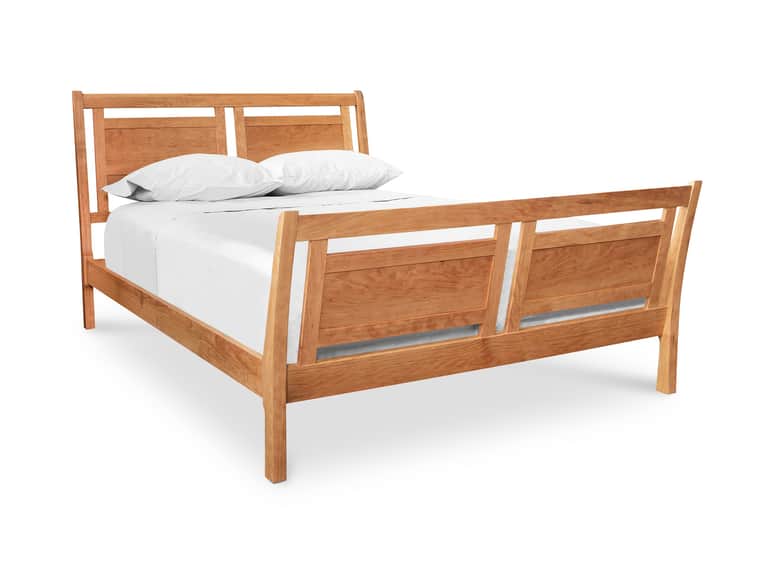
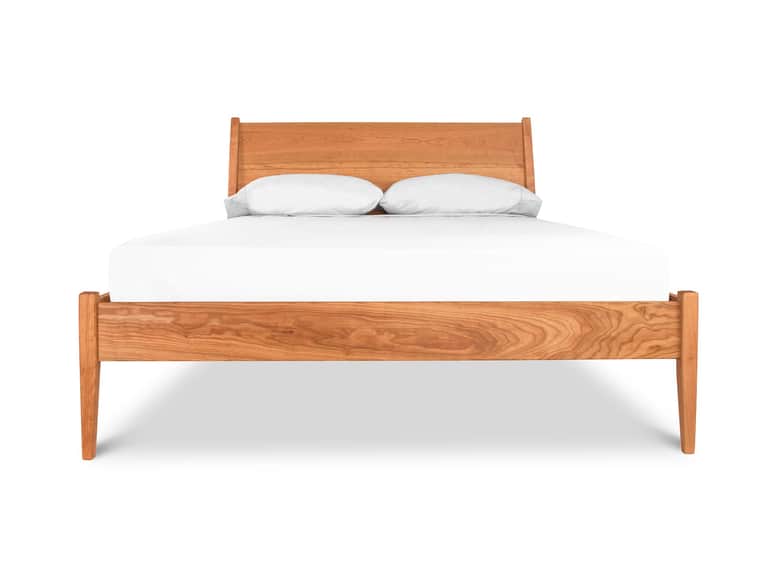
A mattress does not work in a vacuum. Its base influences how it is supported and may affect how the surface feels. A sprung base and a rigid platform can produce different overall sensations beneath the same mattress. Slats, spacing, centre support and the condition of the frame also matter. The manufacturer’s guidance should be checked for compatible bases, ventilation and support requirements.
For a pocket-sprung mattress, a level, stable foundation helps distribute weight as intended. A damaged frame or an unsuitable base can create uneven support and may contribute to premature wear. Before assessing a new mattress, inspect the existing bedstead and measure the available space. A mismatch between mattress size and frame, or an unstable base, can complicate what would otherwise be a straightforward comfort test.
It is also worth asking about turning or rotation instructions. Some mattresses are designed to be rotated rather than flipped; others may have different care guidance. Follow the instructions for the exact model. Regular maintenance can support even wear, but generic advice should not override the manufacturer’s recommendations.
How to assess the Baronet Superb for your needs
Mattress research becomes more useful when it starts with observation. For a week or two, make a brief note of what you notice on your current bed: pressure or soreness on waking, warmth during the night, frequent position changes, or a preference for a firmer or softer surface. These observations do not diagnose a sleep or medical condition, but they can help clarify what to investigate.
Then compare those preferences with verified construction details. Ask what materials are used in the specific model and size, how the spring unit is configured, whether firmness options are available and what type of base is recommended. If a retailer or manufacturer describes a material as natural, organic, breathable or hypoallergenic, ask what that description means in context and whether it applies to the whole mattress or only one component.
- Consider your usual position. Notice where you feel pressure and whether you prefer a more embracing or more buoyant surface.
- Check the exact specification. Confirm fillings, spring details, cover composition, available tensions and size-specific information.
- Test in a realistic way. Lie down in your usual positions, use your normal pillow where possible and take time to settle.
- Think about temperature as a system. Include sheets, duvet, sleepwear and bedroom conditions in your assessment.
- Review the practical terms. Understand trial periods, delivery, warranty coverage, care instructions and return conditions before deciding.
- Evaluate the base. Make sure the bed frame or foundation is stable and compatible with the manufacturer’s guidance.
Trial and return terms deserve close attention because comfort is not always apparent immediately. Read the conditions carefully, including any required break-in period, collection fees or limits on return. A warranty covers specified faults under stated conditions; it should not be mistaken for a guarantee that a mattress will suit every sleeper.
A balanced view of natural materials
Materials can help explain how a mattress is built, but they should not become shorthand for quality or health. A natural filling may appeal to someone seeking a particular fibre or surface feel. Another sleeper may prioritize adjustability, a different spring response or straightforward care. The most useful comparison is between the complete constructions and the needs of the people who will use them.
Labels also require careful reading. “Natural,” “organic,” “responsibly sourced” and “hypoallergenic” are not identical claims. Their meaning depends on the component, standard or certification cited and the scope of the claim. If a certification matters to you, check its name and what it covers rather than relying on a broad phrase. If a material causes a known reaction, verify the full specification instead of assuming that a particular mattress is suitable.
Likewise, a premium construction does not guarantee better sleep for every buyer. Sleep is influenced by daily routines, health, stress, light, noise and many other factors. A mattress can be one important part of a comfortable sleep environment, but it cannot by itself resolve every difficulty with falling asleep or staying asleep.
The practical meaning of comfort
The Vispring Baronet Superb illustrates a broader lesson about mattress construction: the character of a bed emerges from the interaction between its support system, upholstery, cover, foundation and the sleeper. Pocket springs may shape the way weight is carried; fibres can alter cushioning and surface feel; the surrounding bedroom influences warmth. Each element contributes, but none acts alone.
For a prospective sleeper, the most useful approach is patient and specific. Confirm the current product details rather than relying on a general description. Test the mattress in the positions you actually use. Notice pressure, support, ease of movement and warmth. Consider the base and the bedding that will accompany it, and examine the trial and care terms before making a decision.
Comfort is not a universal setting. It is the quiet fit between a person and a sleeping surface: one that feels supportive without demanding attention, suits their temperature preferences and allows them to settle. Understanding materials makes that search more informed—but the sleeper’s own experience remains the essential measure.