Foundations: What Makes a Mattress Support Sleep Health
Sleep health begins with how a mattress supports the body at its most vulnerable coordinates: the spine, hips, shoulders, and pelvis. A mattress should promote near-neutral alignment where the spine maintains its natural curves, and it should adapt to the sleeper’s weight and sleep position without creating new pressure points. Different support systems—innerspring, latex, memory foam, and hybrid constructions—offer distinct pathways to achieve this alignment.
Temperature regulation is another pillar of sleep health. The body’s sleep state shifts with temperature; a mattress that moderates heat and moisture can reduce wakeups caused by overheating. Materials play a pivotal role here: breathable latex, latex-free alternatives, natural fibers, and moisture-wicking covers all influence how the surface expels heat and manages humidity throughout the night.
Firmness, while a useful shorthand, is less about an absolute rating and more about how a mattress feels in practice for your body. Two sleepers of identical weight can experience different outcomes on the same model because of body geometry and sleep position. The practical approach, therefore, is to think in terms of support, pressure relief, durability, and suitability for health considerations such as back pain, arthritis, or sleep-disordered breathing.
Overview: Common Mattress Types and What They Suit
Vispring embodies a premium, traditional path—handcrafted pocketed springs paired with natural materials. Naturepedic leans toward natural and organic materials with a focus on safety and allergen-conscious design. Casper represents contemporary, accessible comfort with a focus on balanced support and pressure relief. Each brand archetype highlights how materials and construction influence sleep outcomes, while the landscape of options continues to expand with hybrids, natural latex, and advanced comfort foams.
The goal is to map personal needs to a mattress’s characteristics: support under the lumbar spine, contour for pressure relief at shoulders and hips, and the ability to regulate temperature and moisture. A thoughtful approach considers not only the feel at the moment of lying down but also durability, warranty terms, and how the mattress ages with time.
A Practical Decision Framework
To translate the science of sleep into a purchase, pose these questions:
- What sleep position do I most often assume, and does the mattress support neutral alignment in that posture?
- How does the mattress respond to body weight—does it compress evenly or create high-pressure zones?
- Are the materials breathable and do they promote moisture management and temperature regulation?
- Is there evidence of durable construction and ecological materials? What is the warranty?
- Do any health considerations—back pain, allergies, sleep-disordered breathing—affect the choice?
Key Figures Across Time: Three Perspectives on Sleep, Space, and Material Quality
The conversation about sleep, space, and materiality is enriched by voices from different eras. Consider these three figures who illuminate how human needs and design aspirations intersect:
-
Hypnos (Greek myth, circa 8th century BCE): The personification of sleep, representing the ancient understanding that rest governs health, memory, and mood. Hypnos embodies the timeless value placed on restorative experience, reminding us that a bed is not merely furniture but a gateway to renewal.
-
Florence Nightingale (19th century): A pioneer of evidence-informed care and sanitary design, Nightingale underscored the importance of a healthy environment in healing and wellness. Her influence extends to how space, form, and textiles interact with human physiology—a reminder that materials and climate influence health outcomes in intimate spaces like bedrooms.
-
Ray and Charles Eames (mid-20th century): Designers who bridged function and form, their work in ergonomics and user-centered design reveals how seating, posture, and the perception of comfort translate across environments. Their philosophy informs today’s approach to bedding and bed frames: form that supports function and fosters well-being.
Guidance for Readers: How to Use This Guide
This guide offers a practical framework for mattress selection that honors both health science and human experience. It is not a single-issue sales pitch but a resource that helps you understand what to prioritize, how to interpret product literature, and how to align choices with lifestyle realities—sleep schedule, climate, allergens, and personal comfort preferences.
In the pages that follow, we connect science-informed principles with real-world considerations, delving into mattress materials, firmness concepts, and purchase decisions. Expect a balanced narrative grounded in evidence, supplemented by concrete examples from notable brands and models that exemplify thoughtful design and comfort.
Practical Recommendations: Aligning Mattress Choices with Sleep Health
For most sleepers, a balanced medium-firm feel with robust pressure relief and good temperature regulation is a reliable starting point. For back sleepers, a slightly firmer feel under the lumbar region may promote alignment, while side sleepers often benefit from better shoulder and hip relief through targeted contouring. If you are a stomach sleeper, an adaptable but non-overly soft surface can help reduce lumbar strain.
If allergies or sensitivity to synthetic materials are a concern, consider natural and organic options, such as latex or wool-infused layers, with breathable covers and GOTS/GREENGUARD-type certifications. For those seeking a longevity-oriented investment, look for durable core materials, reinforced edge support, and documented durability testing.
A Product Reference: Integrating a Practical Example
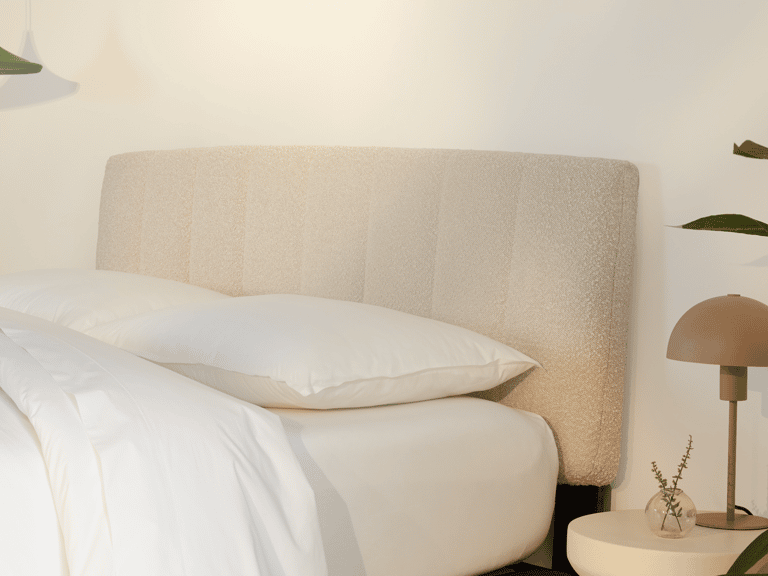
In the realm of curated accessories that can complement proper mattress selection, consider the Bliss Attachable Headboard by Casper. This headboard adds a refined focal point to a bed setup with a premium boucle weave and channel tufting, designed to attach to Casper beds without hardware. While it is not a component that changes the mattress’s core support, it demonstrates how a well-considered accessory can influence the perceived comfort and aesthetic of the sleeping space, contributing to an environment conducive to rest.
The Bliss headboard's design emphasizes the importance of a serene sleep space—one that is visually calm, ergonomically conceived, and aligned with a contemporary interior. Integrating such accessories with a sound mattress choice can enhance the overall bedroom ecosystem, supporting a habit of winding down in a space that feels cared for and scientifically informed.
Bliss Attachable Headboard (Casper)
Premium boucle weave with wide channel tufting. Attachs with no hardware and complements Casper beds for a refined finishing touch.
Starter Topics: Five Article Seeds
- Understanding Sleep Stages: How Mattress Design Supports REM and Deep Sleep
- Temperature Regulation in the Bedroom: Materials that Breath and Dry
- Choosing a Mattress for Spine Health: A Clinician’s Perspective
- From Comfort to Longevity: How to Test a Mattress Before Buying
- Case Studies in Sleep Environments: Real Rooms, Real Rest
Each topic can be expanded into in-depth guides, checklist-based articles, and expert Q&As, aligning with the Land of Beds editorial voice: calm, evidence-informed, accessible.