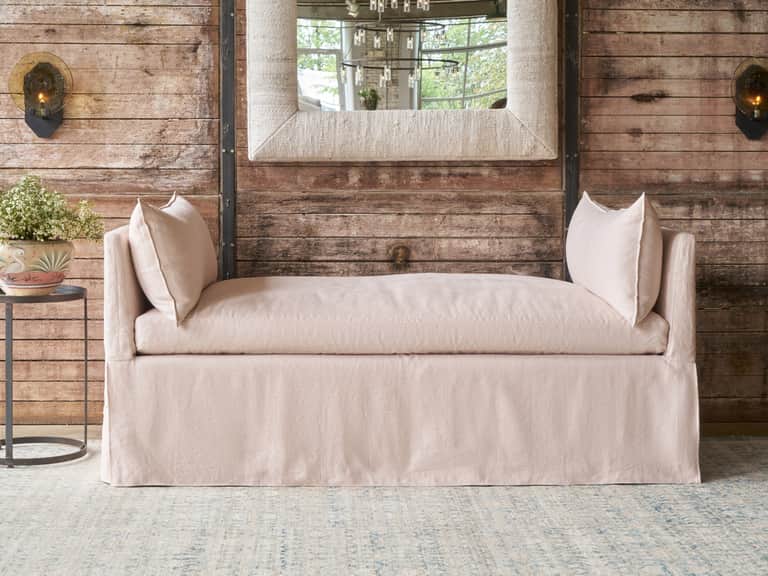
Daybeds are versatile furniture pieces that function as seating by day and sleeping surfaces by night, making them ideal for compact living spaces, guest rooms, or multifunctional bedrooms. Their design emphasizes comfort, durable upholstery, and steady construction to support extended seating or overnight use. Key considerations include frame material, mattress type, and dimensions suitable for standard sheets and bedding systems.
Understanding the daybed's core features helps assess suitability for different layouts. Look for a sturdy frame, often metal or solid wood, with reinforced joints and a reliable trundle or trundle-ready mechanism where applicable. Mattress compatibility, such as twin-size or full-size options, influences comfort and ease of transforming the space for lounging or overnight guests.
In the Cisco Home collection featured here, the Richard Daybed emphasizes clean lines, supportive slats, and a minimalist silhouette that blends with diverse interior styles. Its built-in support ensures a stable surface for daily use, while compatible bedding layers provide a restful sleeping experience without compromising aesthetics or function.
The Cisco Home April Daybed offers a versatile platform with a thoughtful blend of ergonomics and practicality. It typically includes a comfortable sleeping surface and robust frame construction, enabling seamless transitions from daytime seating to nighttime rest. Its design supports common bed linens, pillows, and travel pillows for varied comfort needs.
For bedding and sleeping arrangements, consider how standard sheets, pillows, and travel pillows adapt to daybed use. Selecting appropriate bedding—such as breathable sheets and medium-loft pillows—helps maintain temperatures and support. Understanding these dynamics enhances usability, functional benefits, and the long-term appeal of daybeds within living spaces.
 Furniture